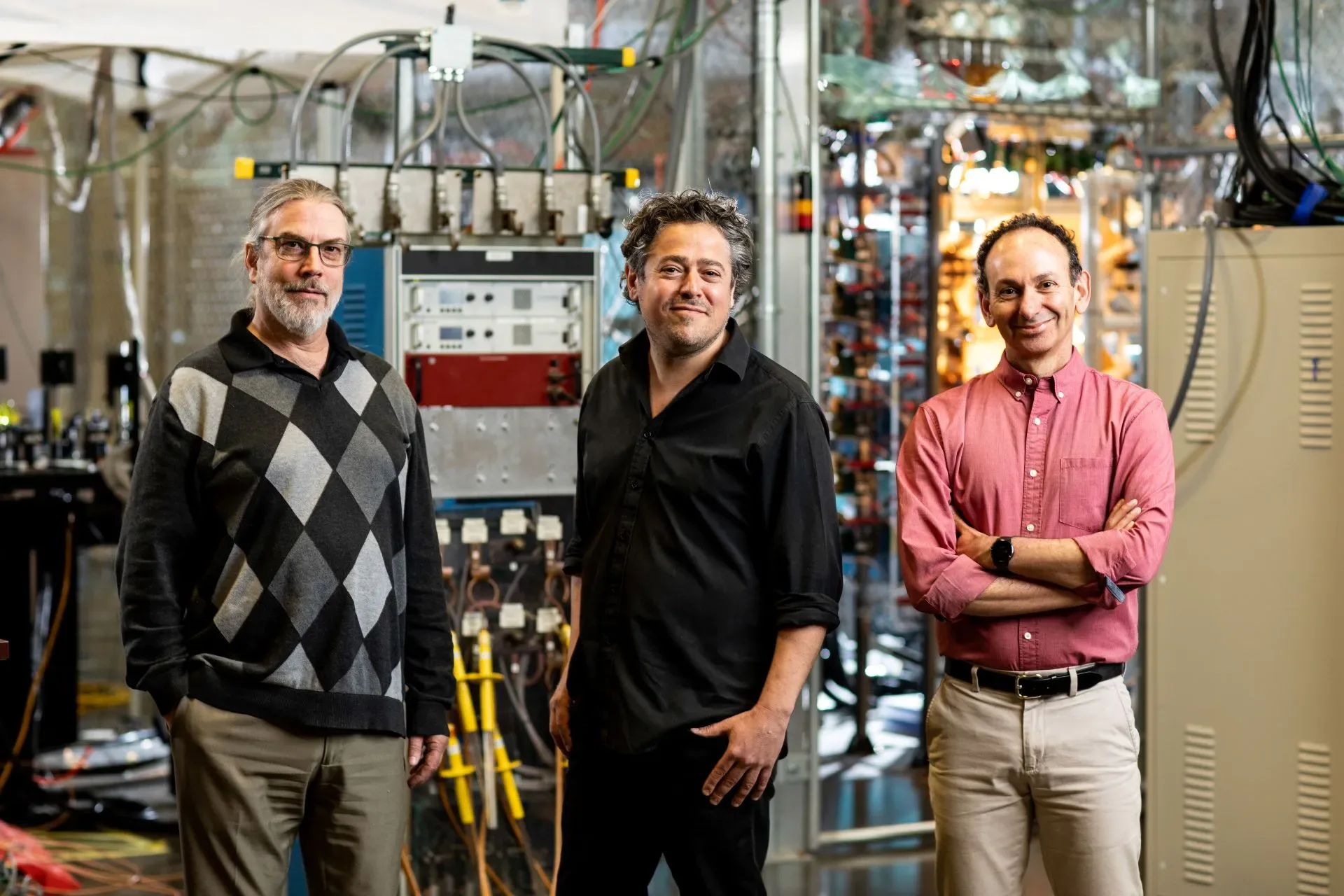
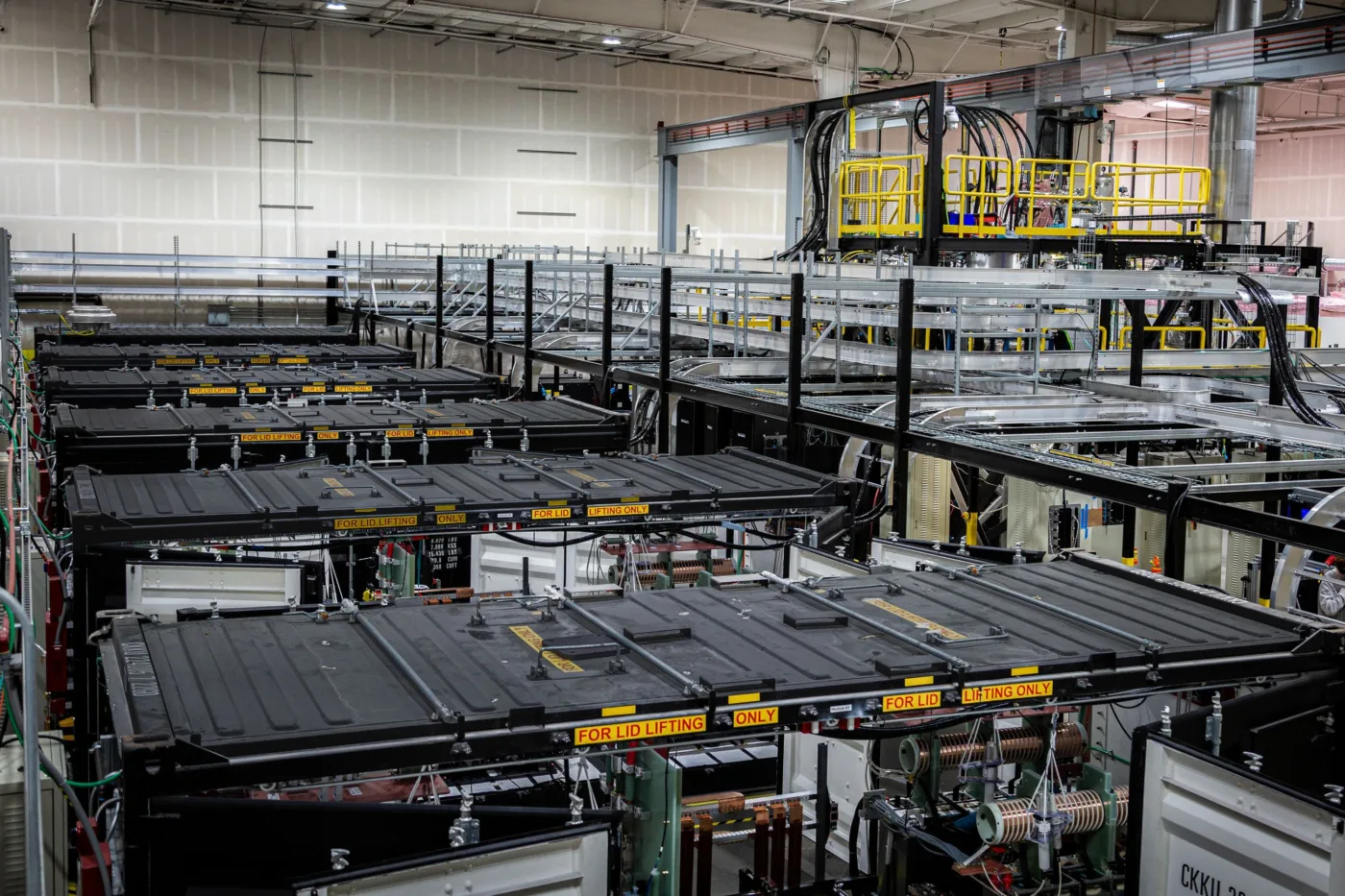
An integrated nuclear future: fission today, fusion tomorrow.
Fusion has long been one of the most powerful ideas in energy: clean, abundant power produced from the same process that powers the stars. In recent years, scientific progress across the field has accelerated dramatically. Experiments are achieving new plasma performance milestones, engineering concepts are maturing, and investment has surged.
At Zap Energy, our core mission remains the commercialization of fusion using the sheared-flow stabilized (SFS) Z-pinch, a fundamentally simpler approach to fusion that avoids the complexity of massive superconducting magnet systems or high-power laser arrays. Our research program continues to demonstrate rapid experimental progress and increasingly proven engineering toward practical power plants.
Yet we also believe the energy transition cannot and should not wait for fusion alone.
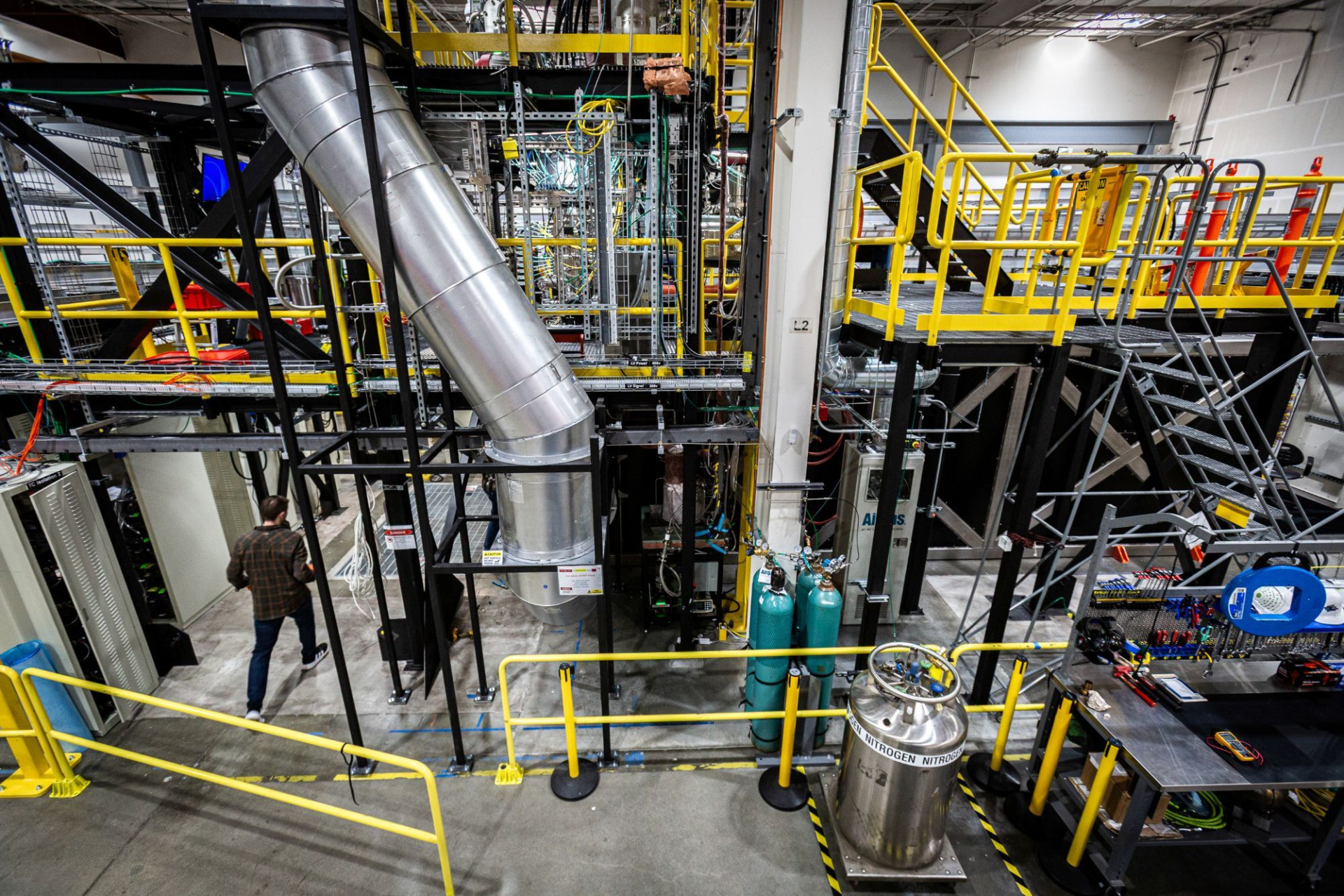
The world is entering an era of unprecedented demand for reliable, carbon-free electricity. Artificial intelligence infrastructure, electrified transport, advanced manufacturing, and national energy security are driving the need and many of these applications cannot rely solely on intermittent resources or constrained electric grids.
Meeting that demand requires an expansion of nuclear energy at a scale not seen in generations.
That is why today Zap is announcing that we’re building not just a fusion company, but an integrated nuclear platform that spans both advanced fission and fusion technologies.
Today, a false wall exists between fission and fusion. Rather than treating fission and fusion as separate industries, we see them as two points along the same technological continuum; sharing many of the same materials, engineering challenges, supply chains, and industrial capabilities.
Developing them together accelerates both.
In the near term, compact advanced fission systems can provide reliable, carbon-free power while establishing the industrial base required for fusion deployment. In the long term, fusion systems can extend and ultimately transform the nuclear energy landscape.
This strategy comes as a direct result of developing the systems and technologies needed for a fusion power plant. The key insight is that many of the hardest problems in nuclear energy are not specific to fission or fusion. They are problems of industrialization.
Advanced reactors, whether fission or fusion, require high-temperature materials, nuclear-grade manufacturing, advanced heat-transfer systems, modular construction, and sophisticated balance-of-plant engineering. To be cost-competitive they must be built in factories, transported to sites, licensed by regulators, and operated safely for decades.
These are capabilities that must be built once, and then scaled.
One of the clearest areas of overlap is liquid-metal power systems, where Zap has developed world-leading expertise. Liquid metals such as lithium and sodium offer exceptional thermal performance and radiation resilience, making them attractive for both advanced fission reactors and fusion power systems.
Zap’s work on liquid-metal technologies for fusion, including high-temperature circulation, materials compatibility, and heat extraction, creates a strong foundation for advanced fission systems as well.
This shared expertise allows a single engineering platform to support multiple nuclear technologies.
Beyond liquid metals, the synergies extend across the entire technology stack.
Advanced materials developed for fusion environments can improve durability in compact fission systems. Additive manufacturing techniques enable the production of complex reactor components that would be difficult or impossible to fabricate using conventional methods. Modular manufacturing allows reactors to be built in factories and deployed rapidly to sites. Balance-of-plant systems, including turbines, heat exchangers, power conversion equipment, and grid integration, are largely common across both reactor types.
Taken together, these overlaps create a powerful engineering flywheel. Instead of developing separate industrial ecosystems for fission and fusion, Zap is building a single integrated platform capable of advancing both simultaneously.
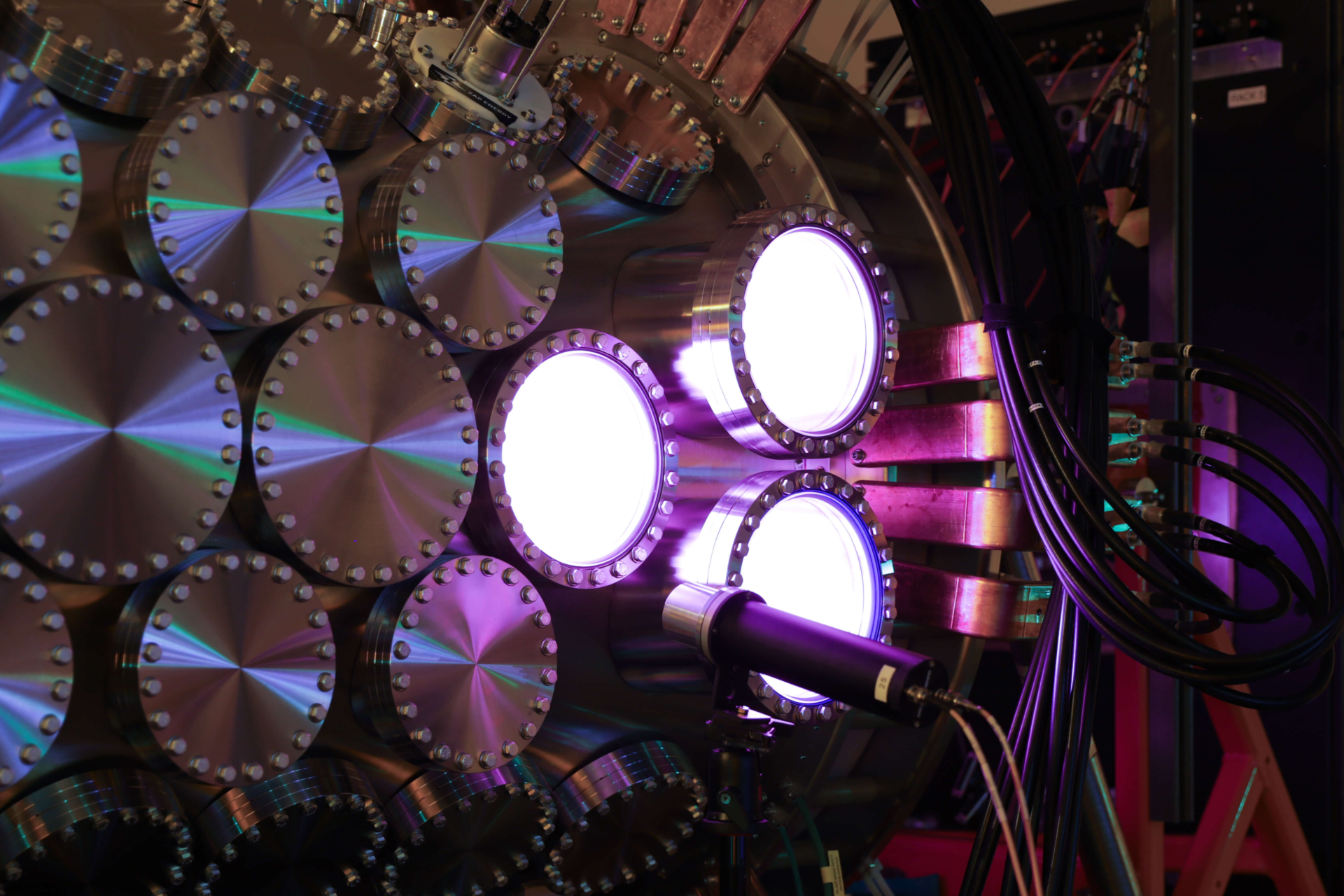
This approach also creates a unique opportunity to explore hybrid nuclear systems, where fission and fusion technologies can operate in complementary ways. Hybrid systems, for example, fusion-driven neutron sources that support advanced fission fuel cycles or waste reduction, have long been studied in the scientific community. In recent years, China has been investing heavily in this concept as part of its long-term nuclear strategy.
We believe hybrid architectures may ultimately play an important role in the evolution of nuclear energy. By building capabilities in both fission and fusion today, Zap is positioned to explore these systems in a practical and commercially relevant way.
Equally important are the regulatory synergies between the two technologies.
While fusion is often described as easier to license than fission, the reality is likely to be more complex. Fusion power plants will still involve activated materials, radiation environments, and large industrial systems that must meet rigorous safety standards. Regulatory frameworks for fusion are still evolving, and commercial deployment will require close engagement with state, national and international regulators.
Advanced fission reactors, by contrast, are already moving through licensing processes around the world. Developing and deploying compact fission systems today allows Zap to build the regulatory experiences required for safe, efficient deployment of fusion at scale in the future. In this sense, near-term nuclear projects help pave the regulatory pathway for fusion as well.
This pragmatic perspective also reflects our broader philosophy toward the fusion industry.
Over the past several years, fusion has experienced a surge of public attention and investment. While this enthusiasm is feeding progress, it has also produced a degree of hype that risks distorting expectations about timelines and technical challenges.
Zap has deliberately chosen a different path.
We believe the fastest route to commercial fusion is not through over-optimistic promises, but through open-access, peer-reviewed science, disciplined engineering, rapid testing and iteration, and a clear focus on deployable energy systems. Our goal is not simply to achieve scientific milestones, but to build power plants.
Expanding into advanced nuclear systems reinforces that philosophy. It allows us to deploy new energy resources within the coming decade while building the industrial capabilities that fusion will ultimately require. In doing so, it creates a more resilient company.
In the long run, fusion remains the prize: a fundamentally new energy source with the potential to transform the global energy system.
But realizing that vision requires more than breakthroughs in plasma physics. It requires factories, engineers, supply chains, regulators, operators, and customers, an entire industrial ecosystem capable of building and operating nuclear energy at planetary scale. By developing advanced fission and fusion together, Zap is building that ecosystem now.
The result is not just a fusion company, but a new kind of nuclear company, one designed to invent, build, and deploy the full spectrum of advanced nuclear energy systems. We’re excited to share more about our plans in the coming months, but for now we encourage you to read this paper for details about our technology approach and check out our careers page for current openings.
In a world that urgently needs clean, reliable power, Zap’s integrated approach, unified around compact, modular nuclear technology, is the fastest path to the future.