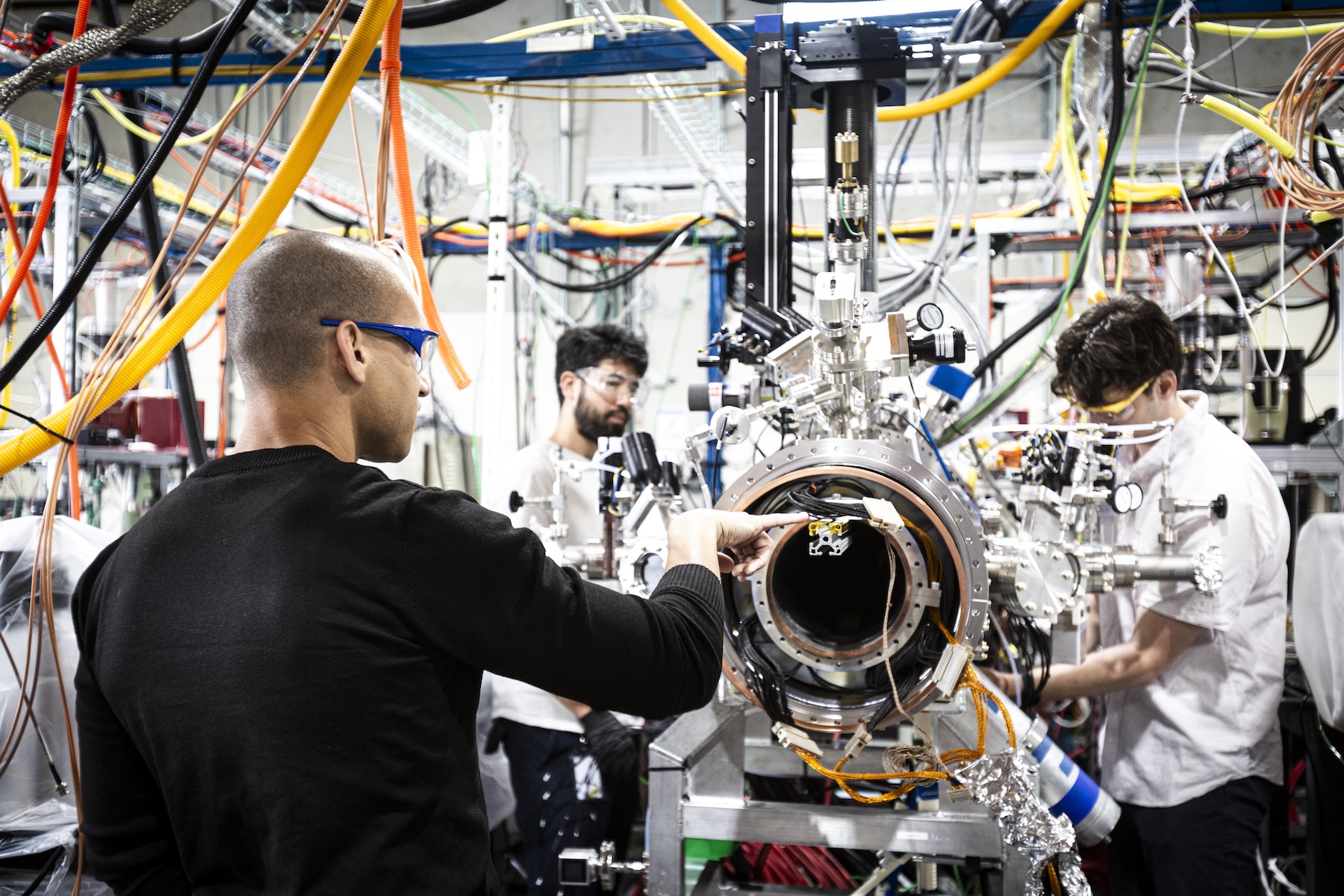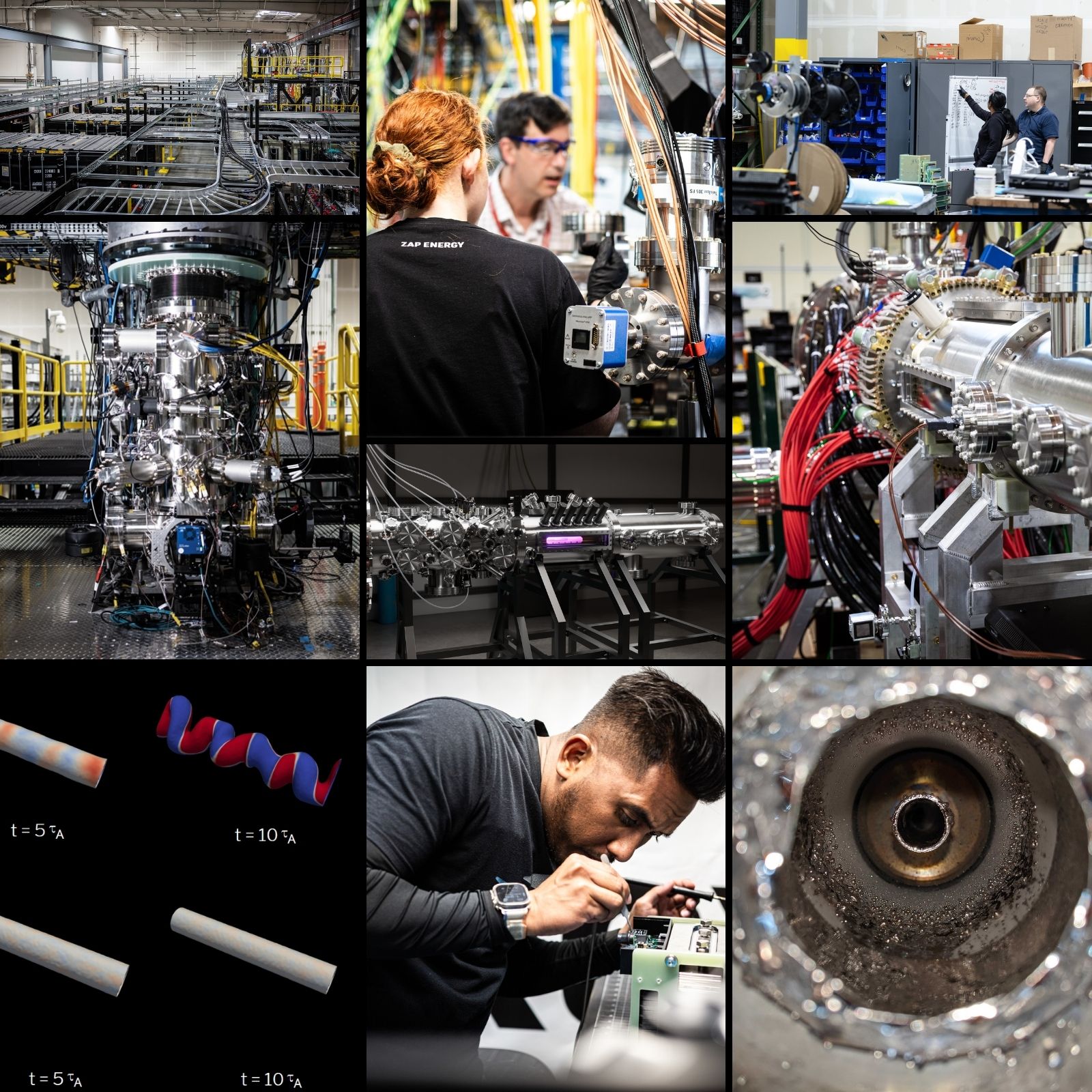
For Zap, 2025 was a year of ambition, milestones and momentum. Here's a look back at some of our most important developments.
Pushed plasma performance across multiple parameters
Between our five plasma devices, each purpose-built to advance specific aspects of our fusion approach, we produced over 11,700 Z-pinch plasmas and set several new performance records for our design this year. We hit new highs for neutron yield (>1010), density (>7x1024 m-3), pressure (1.6 GPa) and shear velocity (>200 km/s). Our capacitor banks reached new levels in both single-shot peak power and rep-rated average power.
Made a leap forward in plasma pressures
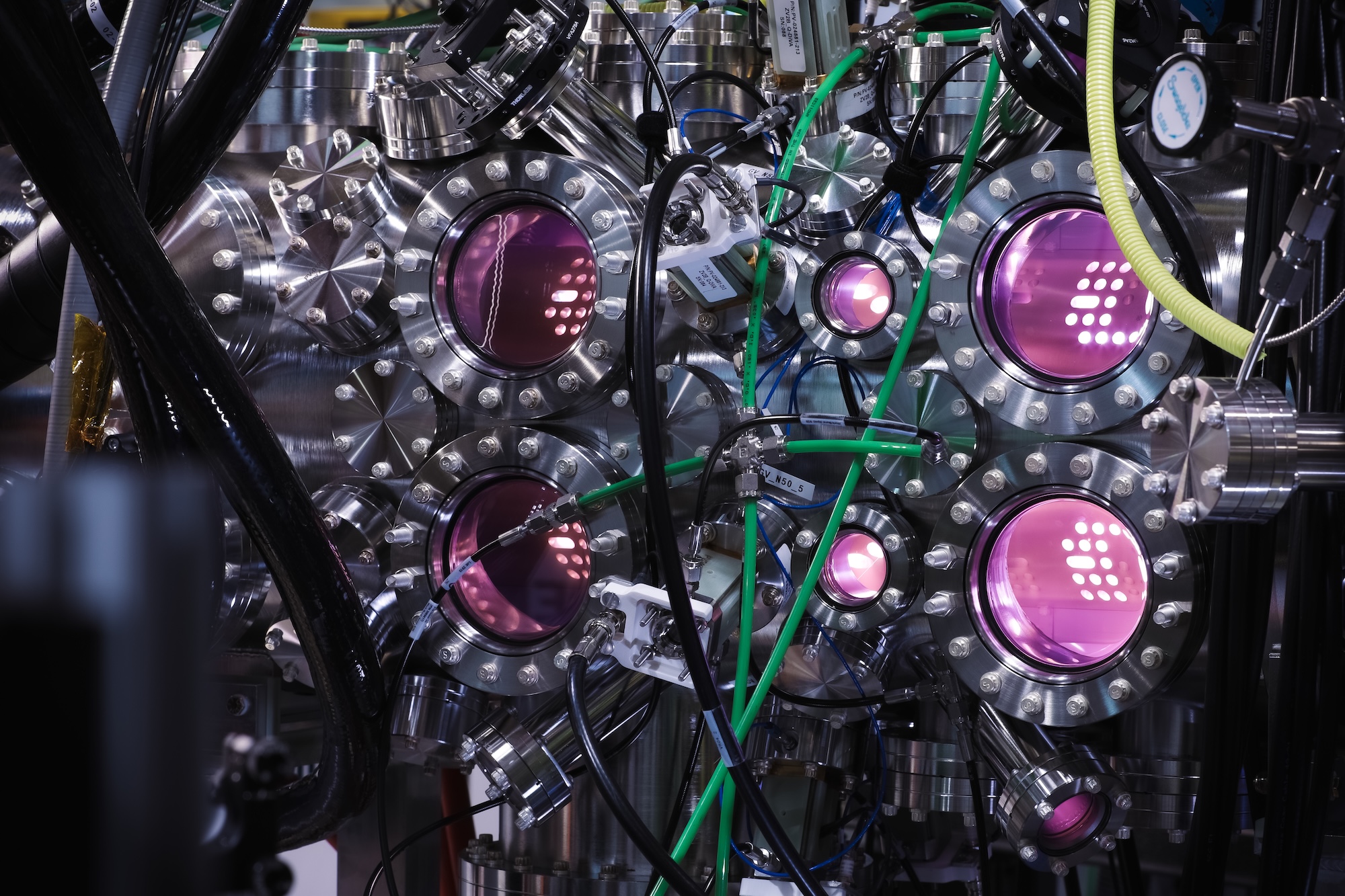
Among all those records, density and pressure stand out. To get there, we commissioned a new three-electrode fusion device called FuZE-3 which achieved plasma pressures exceeding 1 gigapascal. That's ten times the pressure found in the depths of the Mariana Trench.
Gained new views of plasma dynamics
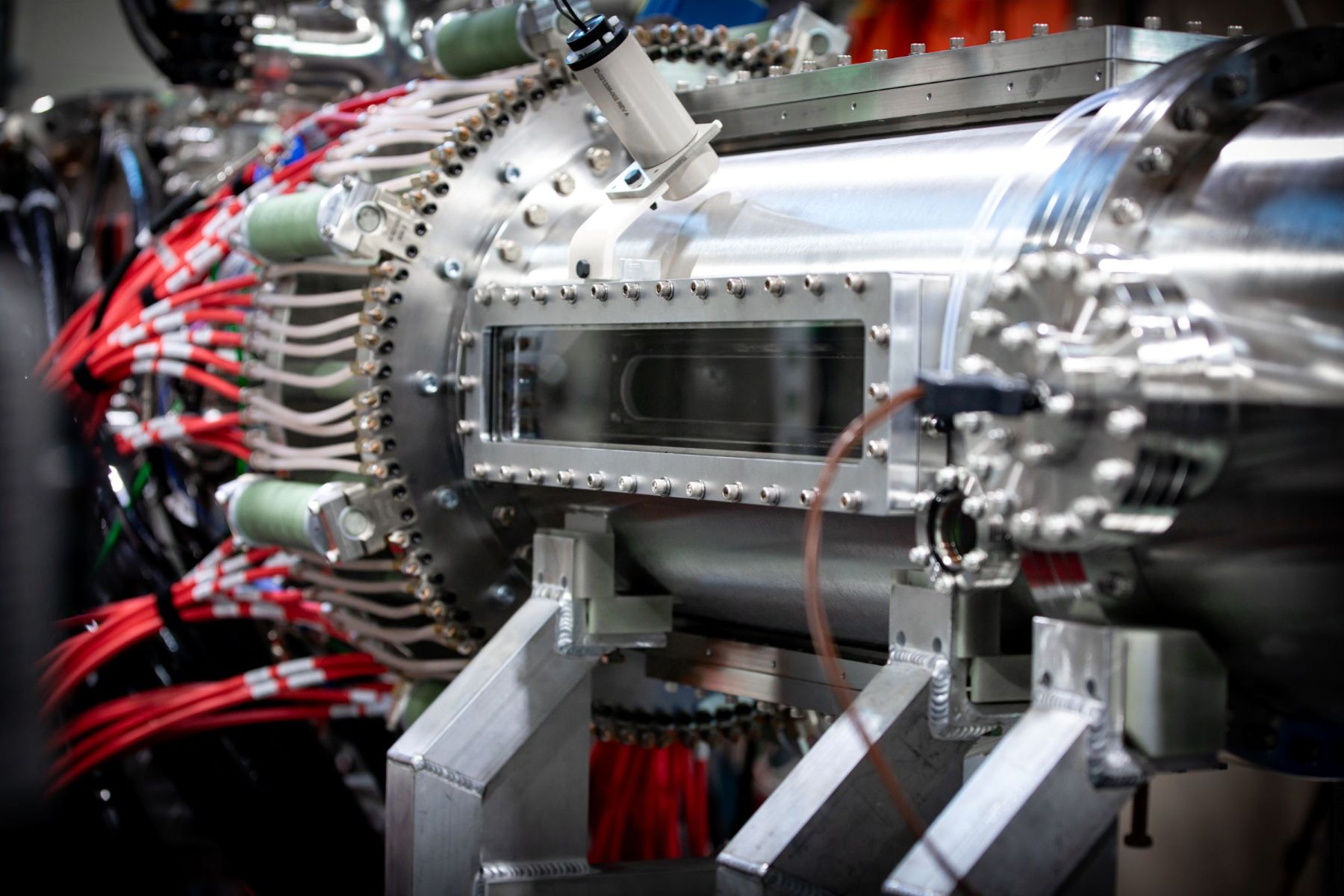
We upgraded diagnostic capabilities across devices to better measure and understand the plasma dynamics driving our fusion reactions, including a new array of viewing ports around FuZE-Q's accelerator region and multi-point Thomson scattering configurations. “Seeing” plasmas that are millions of degrees and last a fraction of a second requires multiple techniques, including ultra-high-speed movie cameras.
Certified our first DOE technical milestone
Early this year, the DOE certified a Century campaign of 1,080 shots over 3 hours without failure, marking the completion of our first technical milestone for the U.S. Milestone-Based Fusion Development Program.
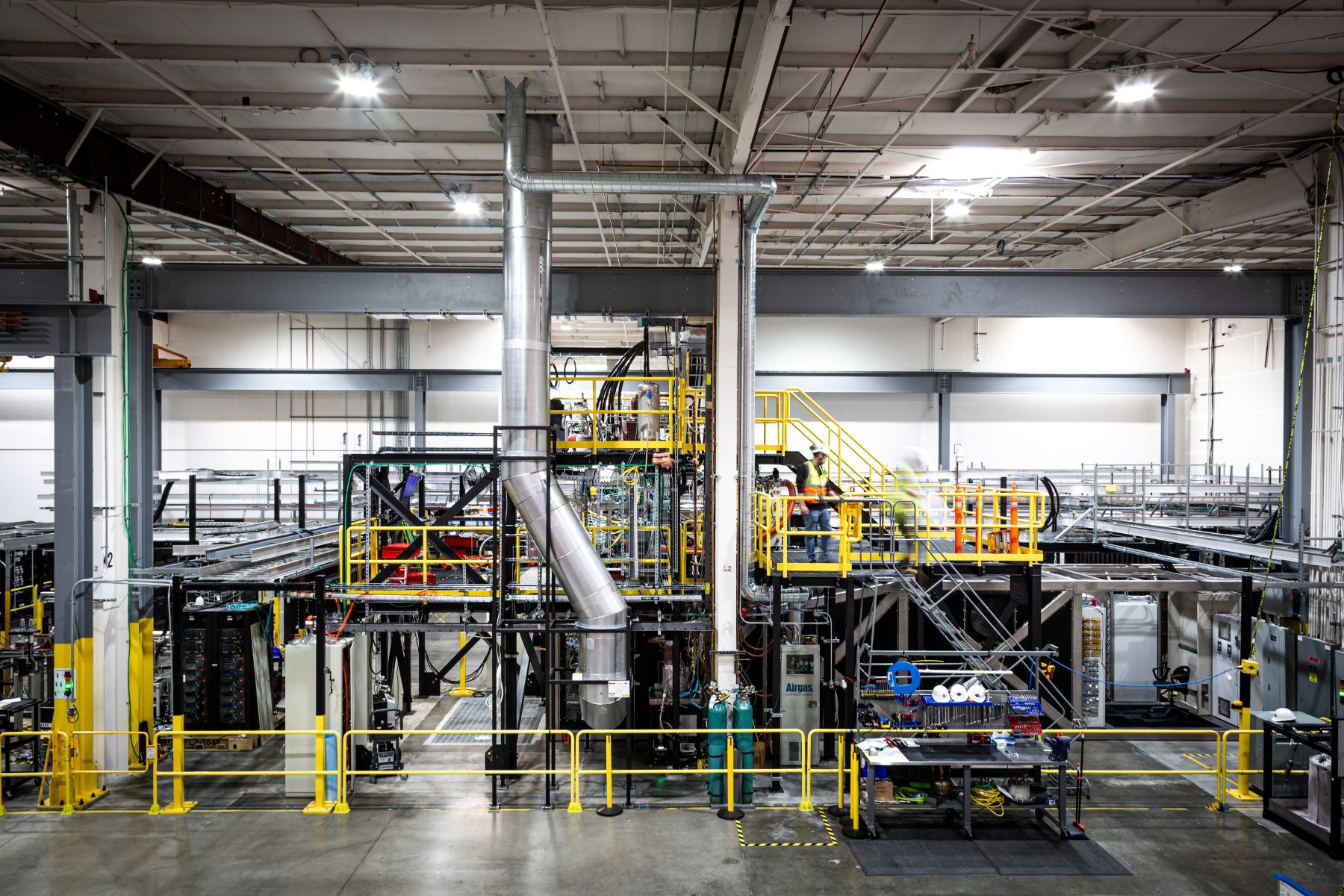
Increased Century’s performance 20x
By September, operations had reached 39 kW average input power for 100+ shot campaigns. Its plasmas carried the current of 20 lightning bolts, striking every five seconds for more than a hundred consecutive shots, and depositing energy into Century’s circulating liquid metal walls.
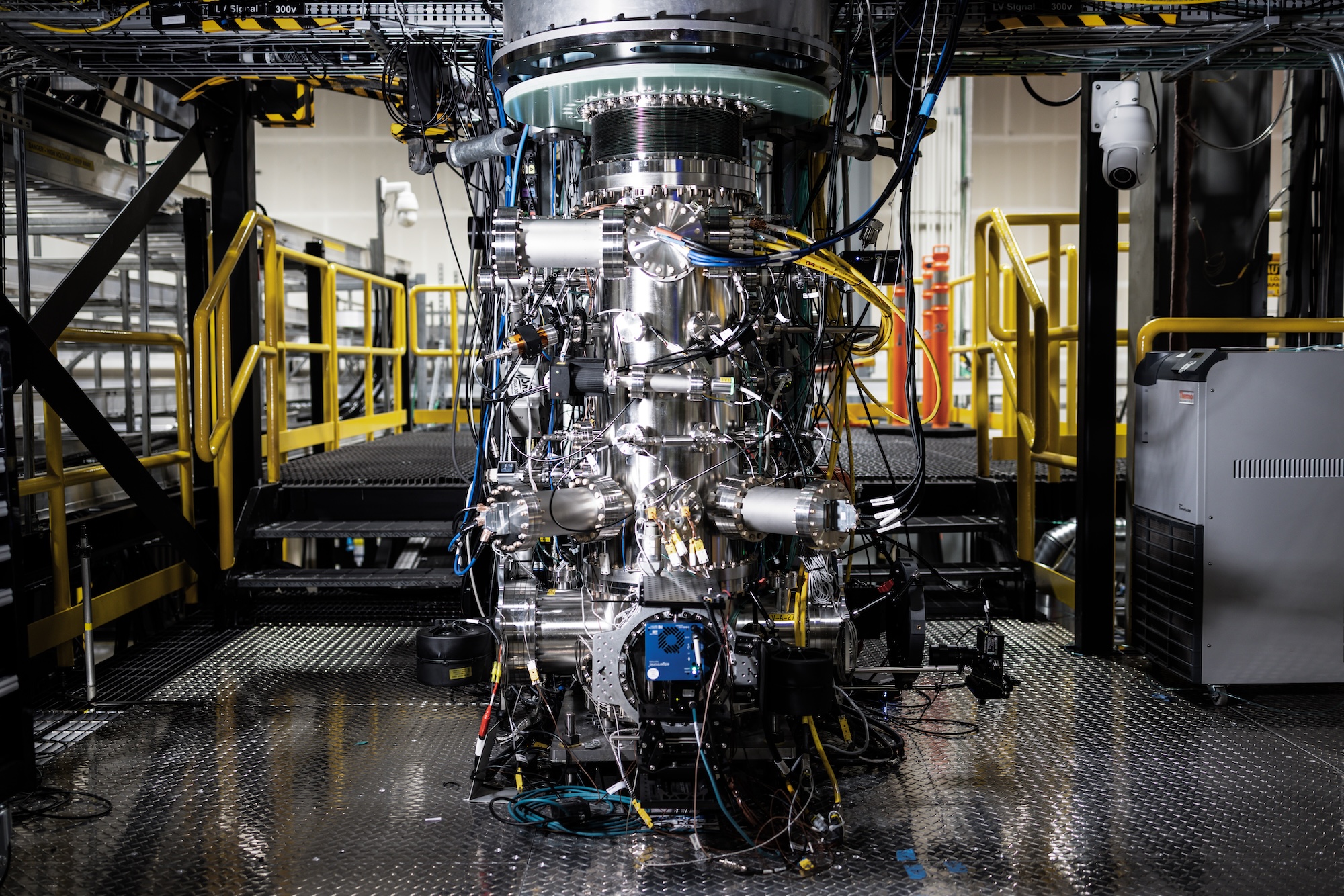
Upgraded our high-temperature plumbing
This spring, liquid metals team lead Brian Kelleher advocated in Nuclear News for reviving the pioneering spirit of the high temperature thermal hydraulics field from decades ago. His team delivered on that vision this year, commissioning a third-generation liquid metal loop that circulates 2,500 pounds of hot bismuth and a new liquid metal wall that uses swirling, centrifugal forces to coat Century's chamber walls and absorb energy.
Began the transition to lithium
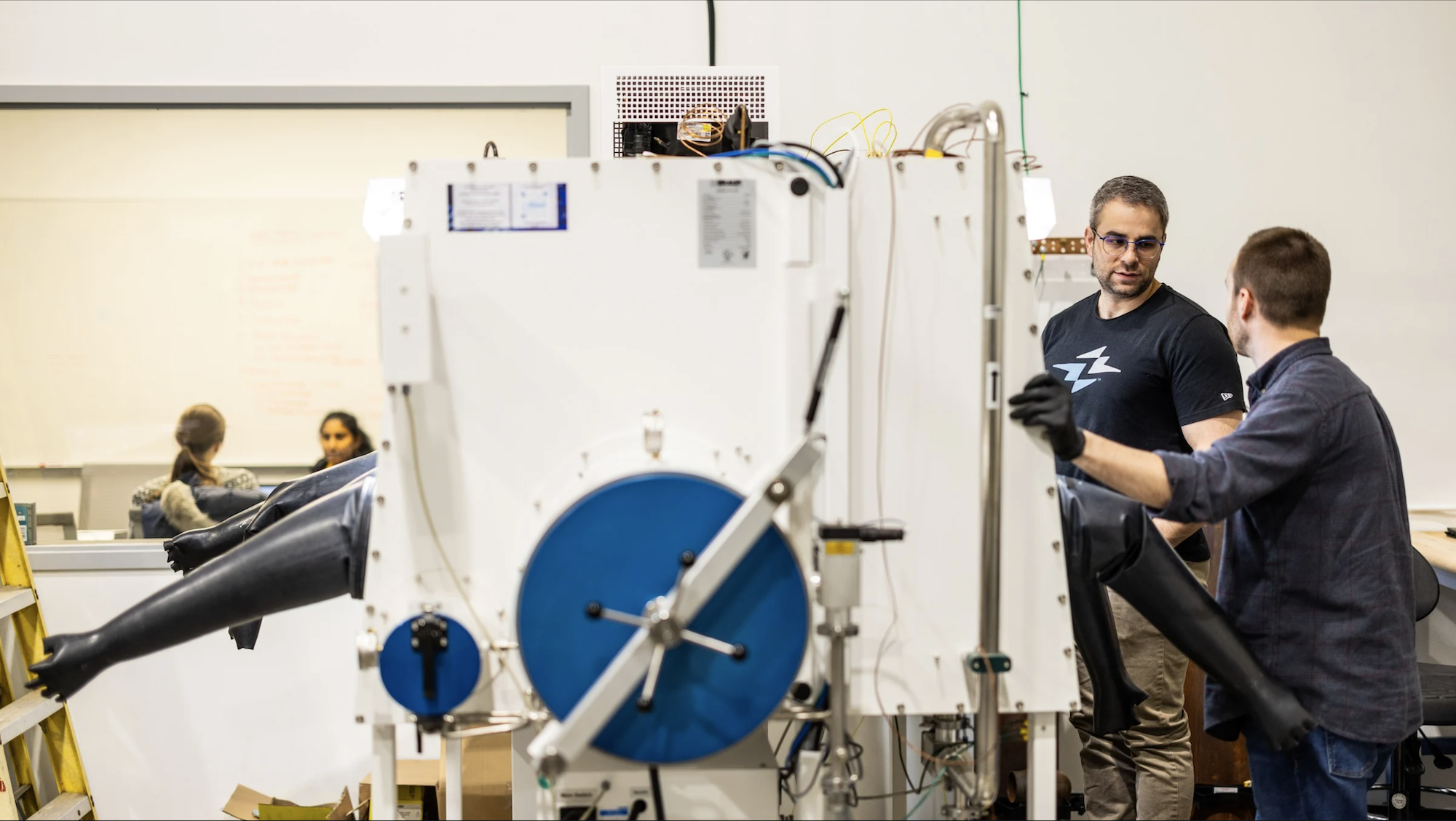
We completed our new advanced materials lab focused on lithium metal, the main functional material in plasma-facing reactor components and commercial fusion power plants. Plans for the coming year include commissioning solid lithium components and our first closed loop that circulates molten lithium.
Built out our pulsed power capabilities
Each of those 11,700+ plasmas started with a burst of pulsed power. In addition to upgrading one of our five existing power banks, we brought three new purpose-built capacitor banks online this year—including our fastest-discharging bank ever.
%20copy.jpg)
Published evidence of thermal Z-pinch fusion
We kicked off 2025 by publishing a paper detailing neutron isotropy measurements that show that FuZE generates thermal fusion. It’s a benchmark milestone for scaling our fusion approach to higher energy yields and giving confidence in reaching higher performance on the FuZE devices. “Essentially, this measurement indicates that the plasma is in a thermodynamic equilibrium,” says Uri Shumlak, Zap’s Chief Scientist and Co-Founder. “That means we can double the size of the plasma and expect the same sort of equilibrium to exist.”

Won time on the world's fastest supercomputers
The Department of Energy granted Zap 1 million node-hours on two of the world's fastest supercomputers for the first-ever Vlasov kinetic Z-pinch simulations. This kind of simulation “is really only possible by accessing specialized systems like the ones the ALCC program provides," says Principal Computational Scientist Noah Reddell.

Accelerated national support for fusion
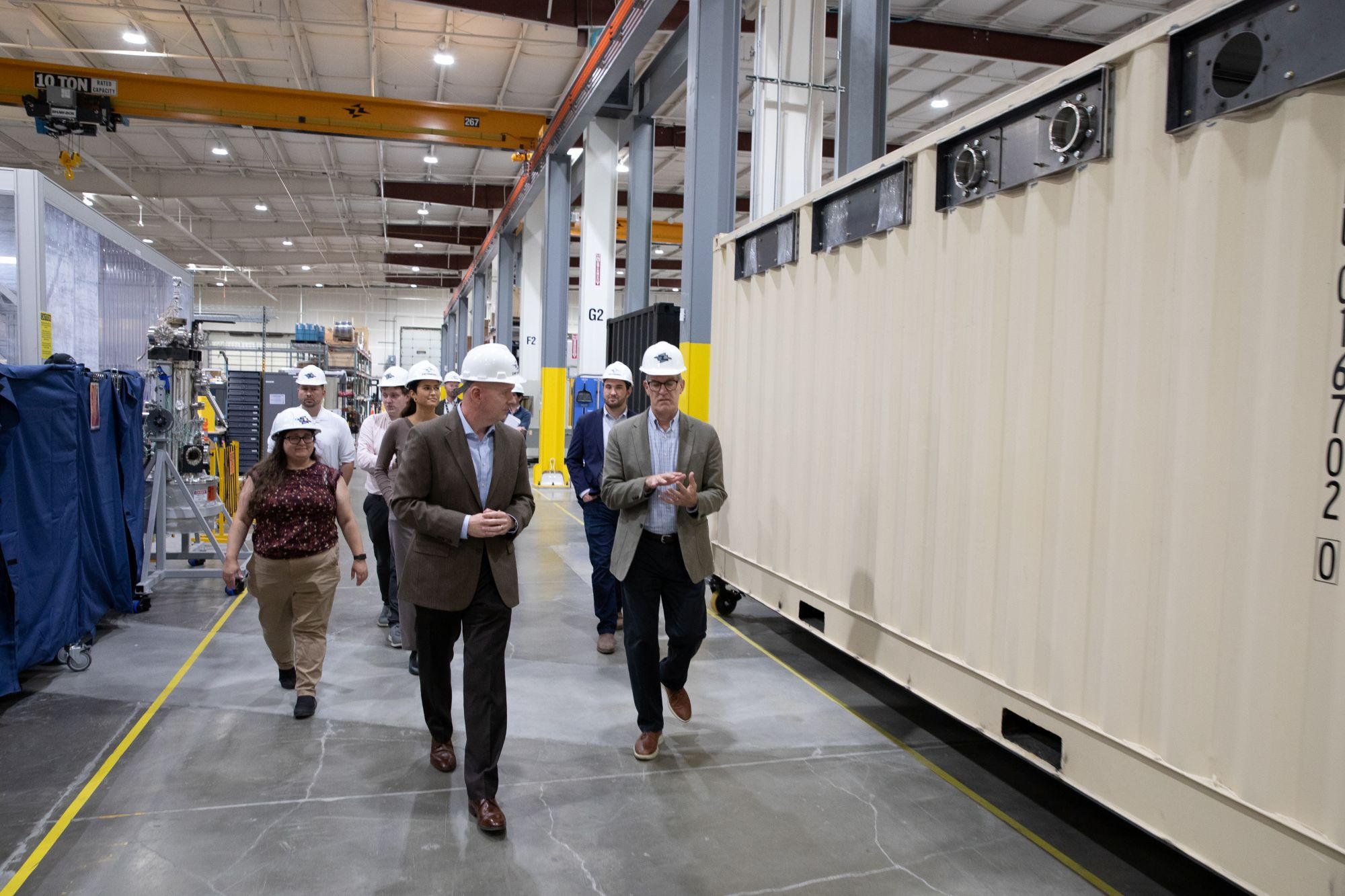
Led by the U.S. Fusion Energy Caucus and Congressman Rick Larsen, Zap hosted two U.S. congressional staff delegations at our facilities, giving lawmakers an opportunity to see and discuss fusion innovation firsthand. Washington Senator Maria Cantwell has been an especially strong champion for fusion, providing bipartisan leadership on the Fusion Advanced Manufacturing Parity Act and the Special Competitive Studies Project’s fusion roadmap. This fall, the U.S. Department of Energy created a dedicated Office of Fusion Energy and launched the Genesis Mission, which identifies fusion as a national priority.
Succeeded as a team
We're incredibly proud of all of these accomplishments—and the great team of people that achieved them. If you're interested in joining our mission, get in touch.