Extending the energy frontier.
Fusion Technology
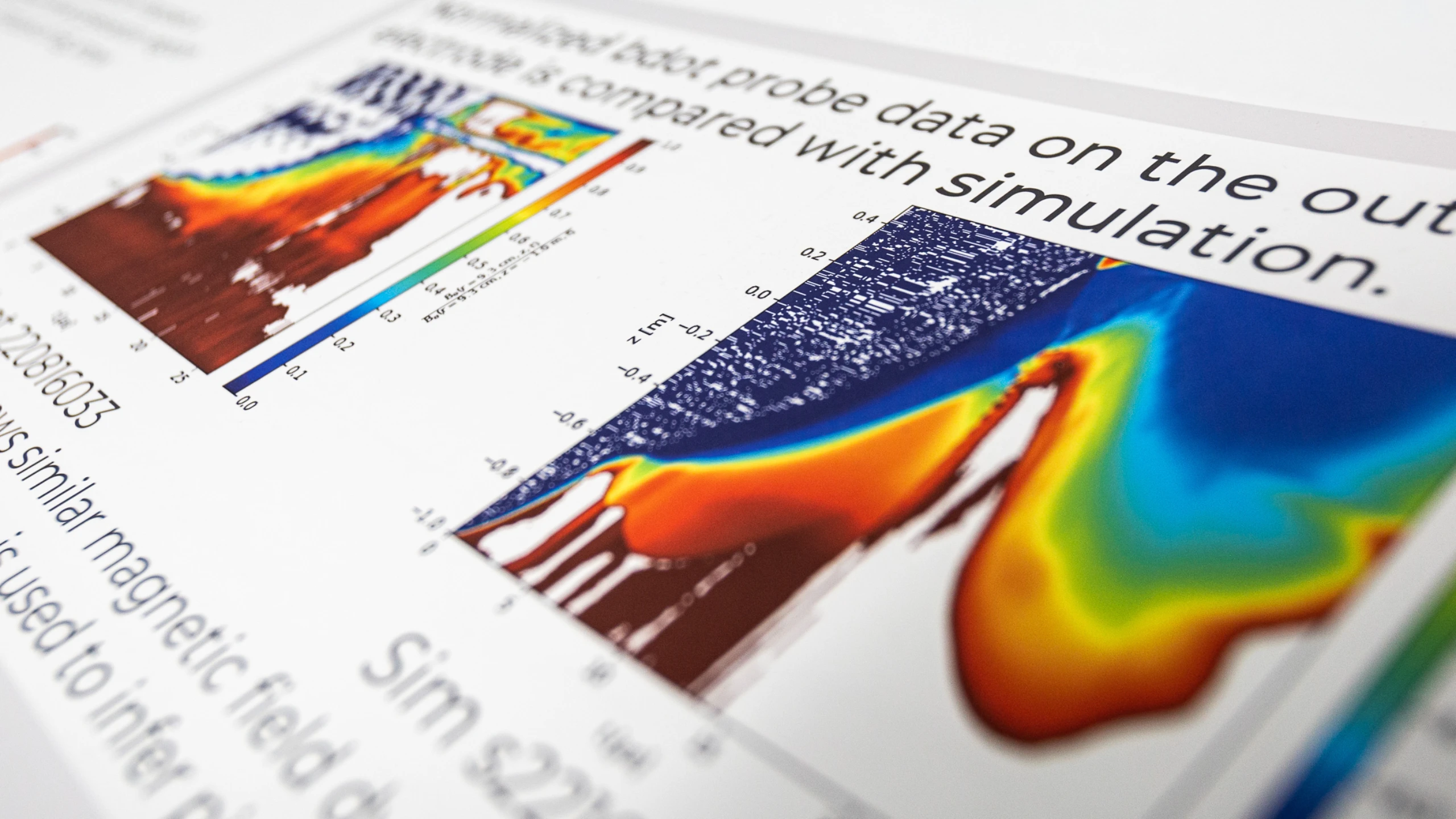
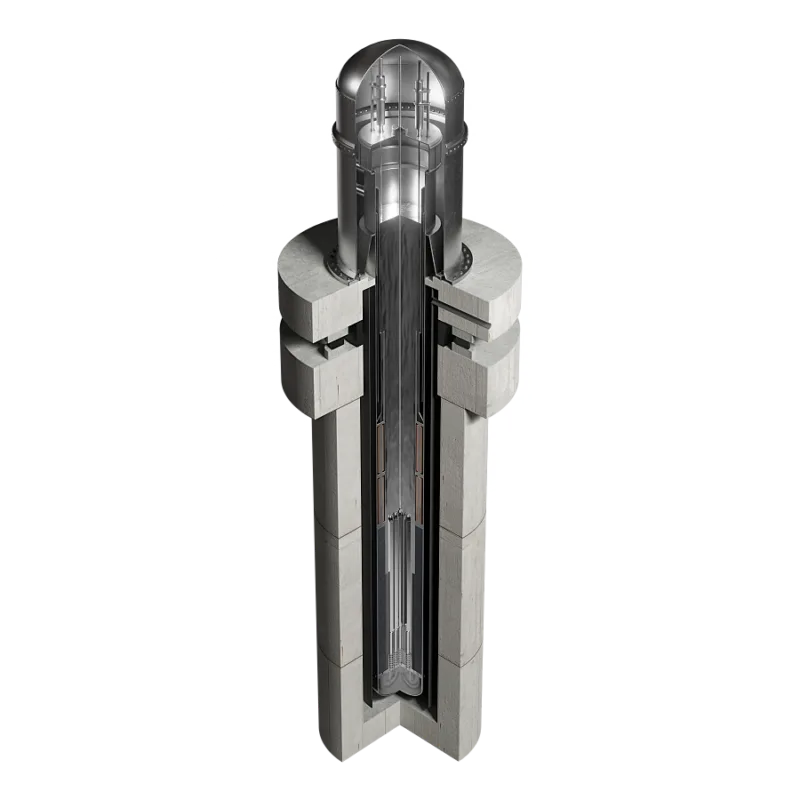
Zap's unique fusion approach eliminates the largest costs and complexities of other fusion technologies, including superconducting magnets, high-power laser arrays, and cryogenic systems. Backed by decades of peer-reviewed research, Zap has demonstrated the fastest-improving plasma performance in fusion at a fraction of the time and cost.
-
-
-
-
Hydrogen 1 H
-
The Sheared-Flow-Stabilized Z-Pinch
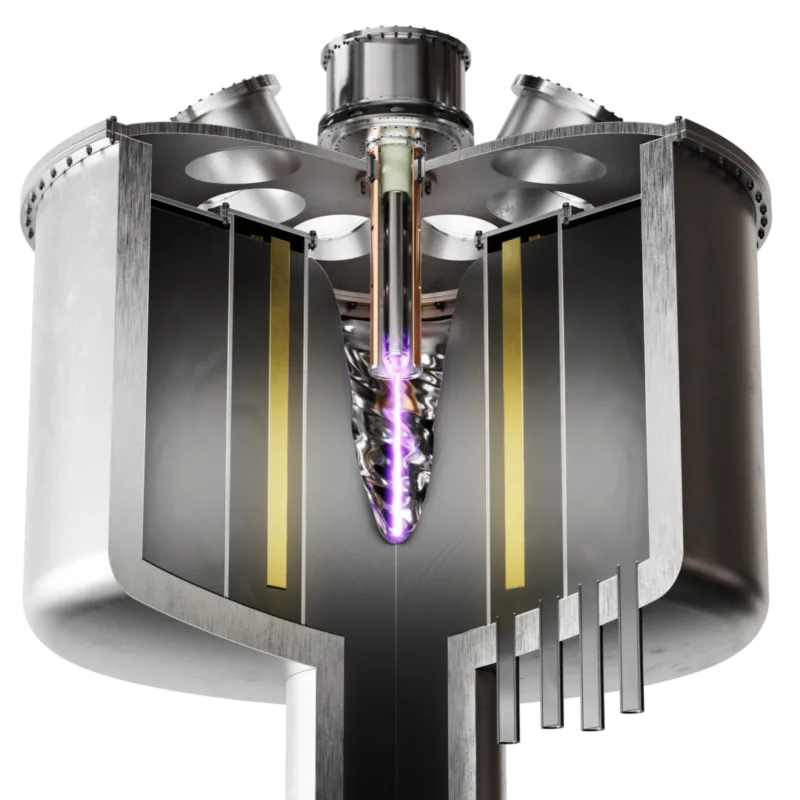
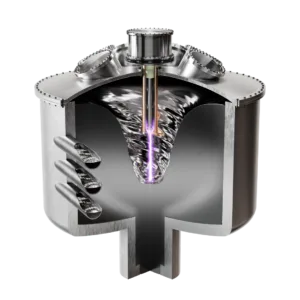
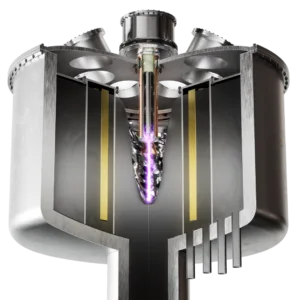
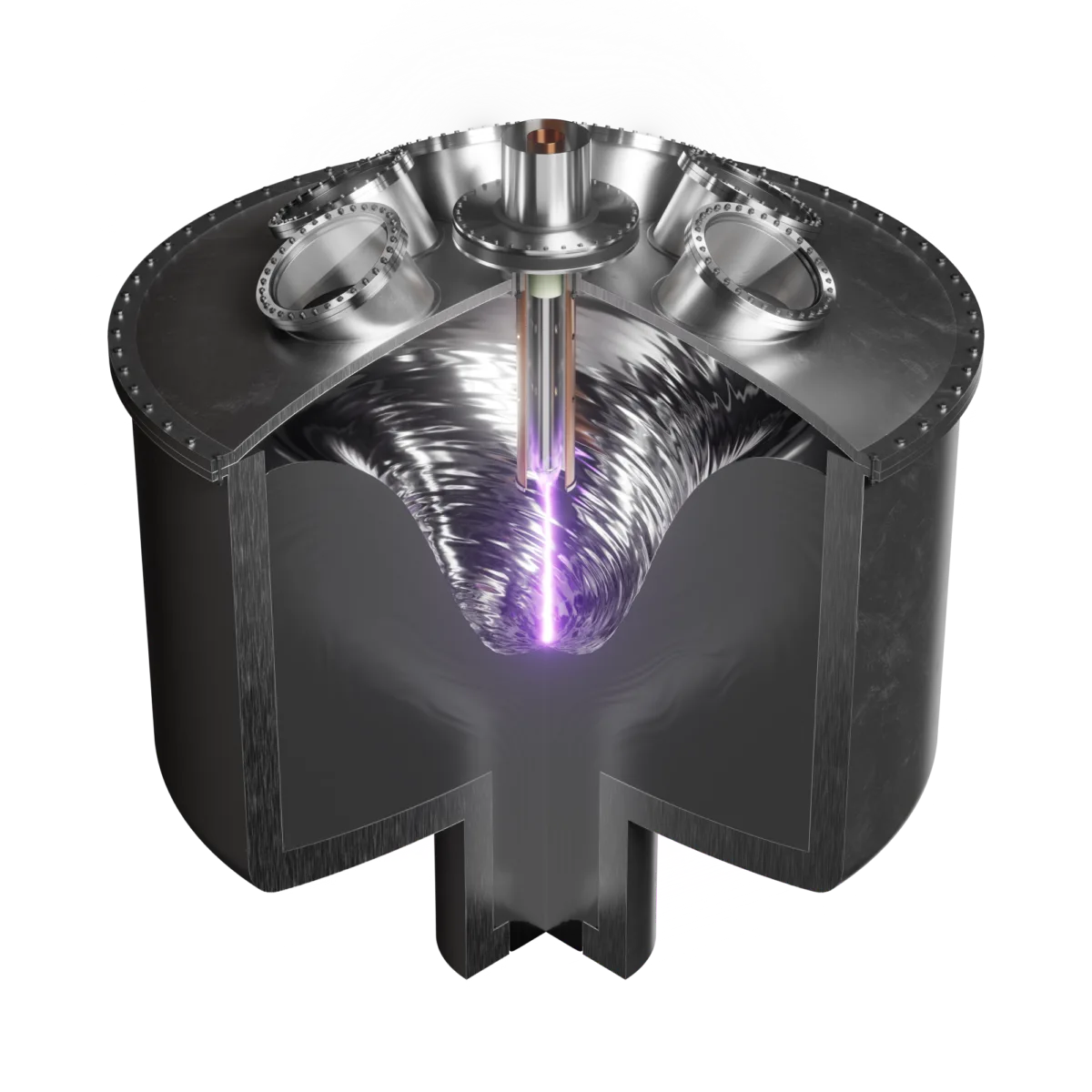
Zap's fusion technology uses pulses of electrical current to compress a plasma column approximately 50 centimeters long. As the plasma compresses, carefully controlled axial flow stabilizes the pinch, enabling the temperatures and pressures required for fusion.
-
01
Pulsed electrical current creates a self-compressing plasma
A high-voltage electrical pulse forms a deuterium-tritium plasma into a 50 cm long, 1 mm wide plasma filament. The massive current conducting through the plasma generates an internal magnetic field that compresses the plasma toward fusion conditions without expensive, external magnets.
-
02
Sheared axial flow stabilizes the plasma
To prevent immediate disruptions, different layers of plasma flow at variable speeds. This sheared axial flow naturally smooths out fast-rising instabilities, keeping the hot, dense plasma stable and prolonged for net energy generation.
-
03
Liquid metal walls provide cooling, shielding, and fuel production
A circulating blanket of liquid metal surrounds the reaction. This flowing wall shields structural hardware from intense neutrons, breeds vital tritium fuel, and efficiently captures thermal energy to drive electricity-producing turbines.
-
04
Repetitive operation designed for continuous power generation
Rather than maintaining a permanent reaction, the system is engineered to pulse continuously at 10 Hz. This rapid, repetitive firing produces a steady, reliable stream of thermal output optimized for standard baseload grid infrastructure.